A clinical reasoning platform designed for nurse practitioners, physician assistants, and advanced practice clinicians to develop clearer diagnostic thinking through real patient cases and the RISER™ framework.
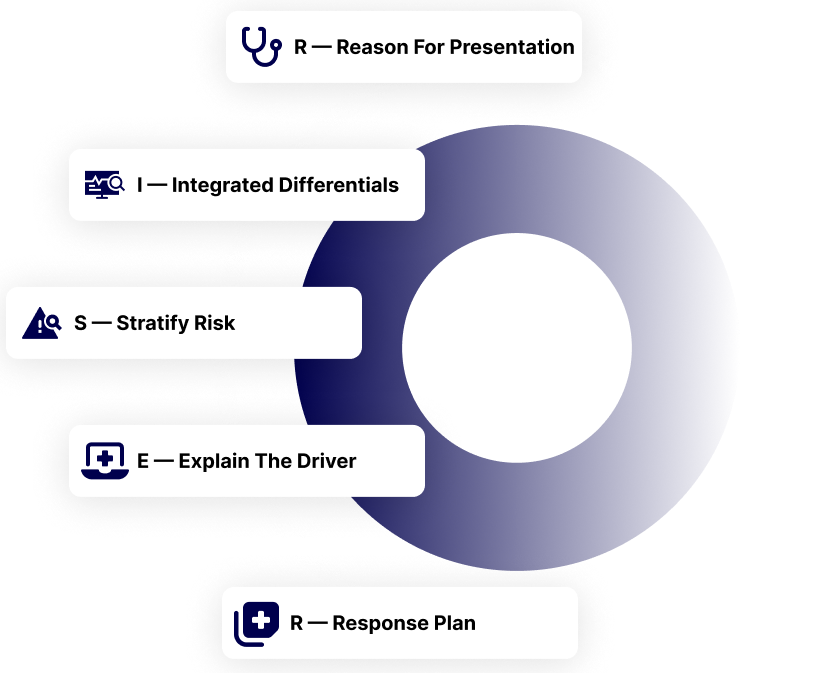
RISER™ is a structured approach that guides clinicians from patient presentation to confident clinical action.
Many clinicians complete their training with strong medical knowledge but limited training in structured clinical reasoning.
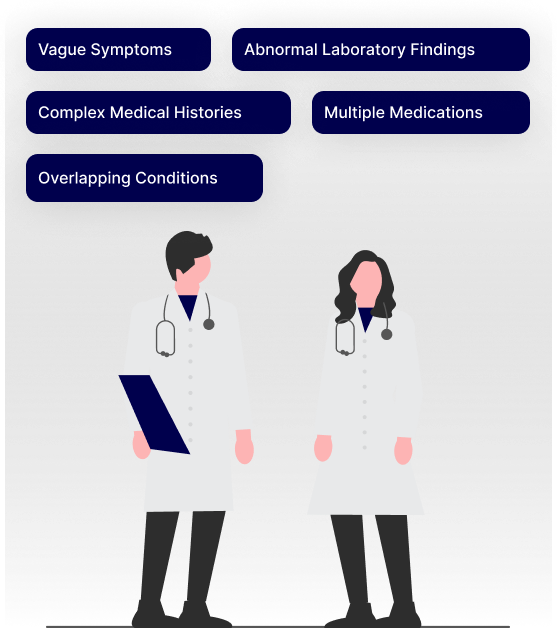
In real clinical encounters, patient presentations are often complex and ambiguous.
Without a framework, it can be difficult to organize clinical information and approach diagnostic decisions systematically.
RISER was created to provide a clear pathway for clinical reasoning, helping clinicians move from patient presentation to clinical action.
About Nadja
Nadja St-Surin, MSN, APRN, FNP
Nadja St-Surin is a Family Nurse Practitioner and clinical educator dedicated to helping clinicians strengthen their clinical reasoning skills.
Through the RISER™ Framework and case-based teaching, she supports nurse practitioners, physician assistants, and advanced practice students in developing clearer diagnostic thinking and more confident clinical decisions.
Clinical Decisions With Nadja™ was created to promote structured clinical thinking in everyday medical practice.
Free Clinical Resource
RISER Clinical Reasoning Guide
A practical reference clinicians can use to apply the RISER™ framework during real patient encounters.
Inside the guide:
• Overview of the RISER™ clinical reasoning method • Structured clinical reasoning prompts • A quick reference pathway for evaluating patient presentations
Download the RISER Guide
Enter your email to receive the RISER Clinical Reasoning Guide.
Start Thinking in RISER™
Clinical reasoning becomes clearer when thinking is structured.
Explore real patient cases and strengthen your diagnostic thinking RISER Rounds™.
Structured thinking for better clinical decisions.
Teaching structured clinical reasoning for Nurse Practitioners, Physician Assistants, and advanced practice students through the RISER™ framework and case-based learning.
Educational Disclaimer
The information provided through Clinical Decisions With Nadja™, RISER™, and RISER Rounds™ is intended for educational purposes only.
This material does not constitute medical advice, diagnosis, or treatment and should not replace independent clinical judgment or consultation with appropriate healthcare professionals.